
Understanding Environmental Hazards in the Workplace
When we talk about HSE, the “E” Environment often gets overlooked. But managing environmental hazards is just as important as protecting people. From toxic waste to poor air quality, environmental risks can harm both the planet and your team’s health.

Environmental Hazards in the Workplace: Why the “E” in HSE Matters
When we talk about HSE—Health, Safety, and Environment—the “E” for Environment is often overlooked. However, managing environmental hazards is just as crucial as protecting people. Environmental risks, such as chemical spills, air pollution, or improper waste management, not only threaten the health and safety of employees but also cause long-term harm to the planet.
Organizations that proactively manage environmental risks demonstrate social responsibility, improve regulatory compliance, and enhance their reputation among clients, employees, and stakeholders.
What Are Environmental Hazards?
Environmental hazards are elements within the workplace that can negatively impact employees, the surrounding community, or the natural environment. Common environmental hazards include:
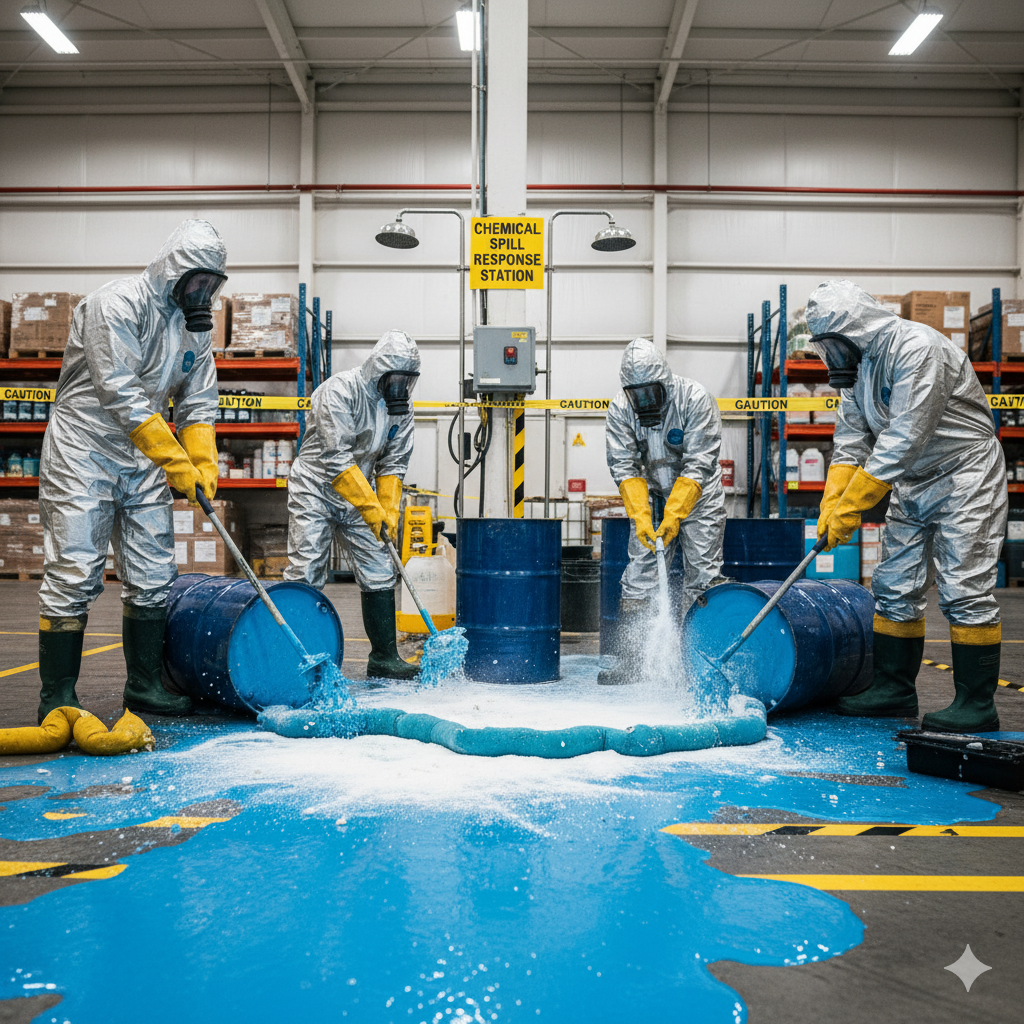
Chemical Spills and Leaks: Accidental release of toxic or corrosive substances.
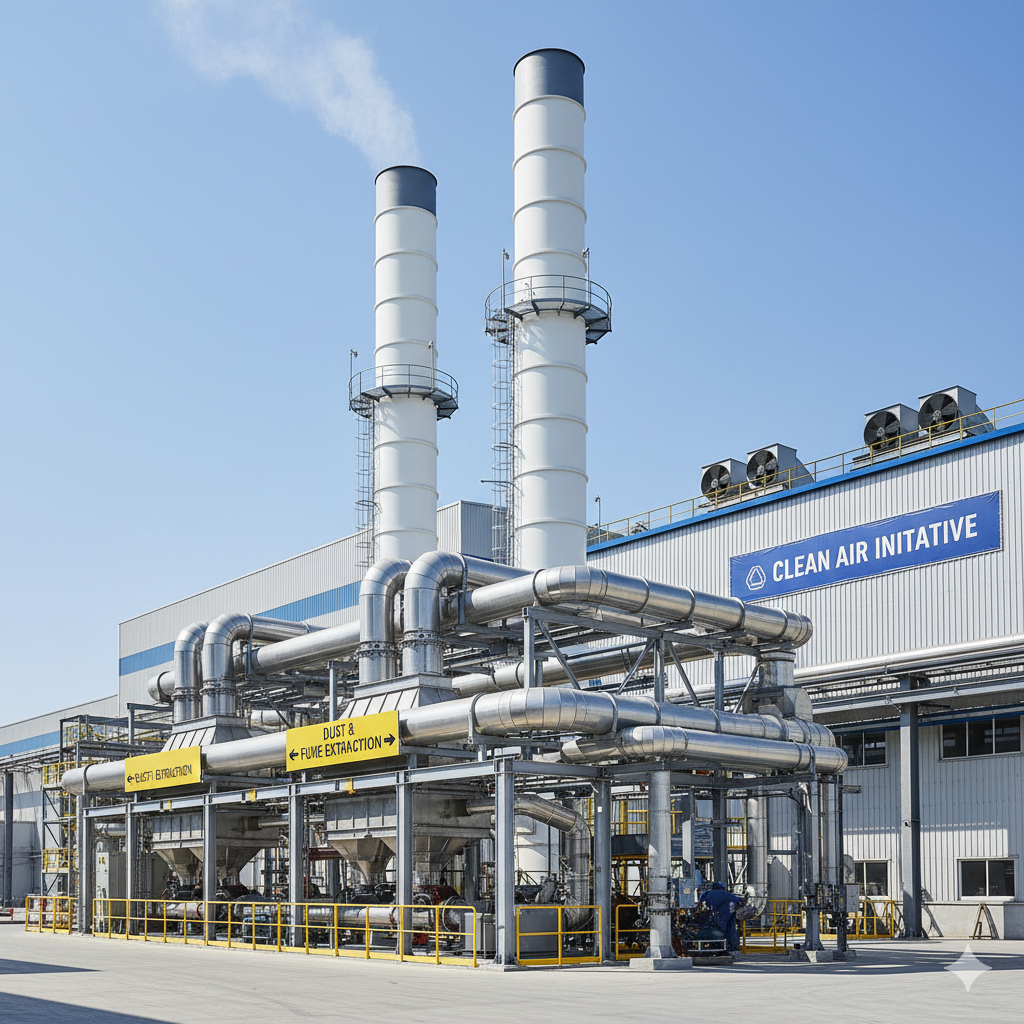
Airborne Pollutants: Dust, smoke, fumes, and other emissions that degrade indoor or outdoor air quality.
Noise Pollution: Excessive machinery noise can affect workers’ hearing and the surrounding environment.
Fire Hazards: Poor handling of flammable materials and unsafe storage of waste.
Improper Waste Disposal: Mixing hazardous and non-hazardous waste, or illegal disposal, can contaminate soil and water.
Common Industries Affected
Environmental hazards are prevalent across various sectors, including:
Manufacturing: Frequent chemical usage, emissions, and process waste.
Construction: Dust, asbestos, fuel leaks, and soil disturbance.
Healthcare: Hazardous medical waste and chemical disinfectants.
Mining and Oil: Land degradation, water contamination, and air pollution.
How to Reduce Environmental Hazards
1. Conduct Environmental Risk Assessments
Evaluate your operations to identify potential environmental hazards. Prioritize risks to air, water, and soil, and develop mitigation strategies for high-risk areas. Risk assessments should be updated regularly to adapt to new processes or regulations.
2. Implement a Waste Management Plan
Sort, recycle, and safely dispose of hazardous materials. Use color-coded bins, clear labeling, and signage to ensure proper segregation and handling. Implement protocols for regular collection and treatment of waste.
3. Provide Training on Spill Response and Disposal
Employees should be trained to handle chemical spills, emissions leaks, or other environmental incidents. Quick, well-informed responses minimize environmental damage and reduce risk to human health.
4. Use Eco-Friendly Alternatives
Wherever possible, switch to biodegradable, non-toxic, or low-emission materials. Sustainable alternatives reduce environmental impact and often improve workplace safety as well.
5. Track and Report Environmental Impact
Regularly monitor metrics such as emissions, resource usage, water consumption, and waste generation. Documenting and reporting environmental performance helps maintain compliance and drives continuous improvement.
Legal and Ethical Responsibility
Environmental regulations are becoming increasingly stringent worldwide. Failing to comply can result in:
Heavy fines and legal penalties
Business shutdowns or operational restrictions
Long-term damage to brand reputation
Beyond compliance, protecting the environment is a moral obligation. Organizations that integrate environmental stewardship into daily operations demonstrate corporate responsibility, promote sustainability, and protect their employees and communities from harm.
