
Manual Handling Training – The Key to Injury Prevention
No matter the industry, manual handling training is one of the most effective ways to prevent workplace injuries. While many organizations provide equipment and guidelines, without proper training, workers often continue to use unsafe practices. This not only increases the risk of accidents but also leads to long-term health issues such as back pain and repetitive strain injuries.

The Importance of Manual Handling Training: Preventing Injuries and Promoting Safety
Manual handling is one of the most common causes of workplace injuries across all industries. Whether lifting heavy objects, carrying loads, or pushing and pulling materials, improper manual handling techniques can lead to both short-term accidents and long-term health problems. For instance, back pain and repetitive strain injuries (RSIs) are common consequences of unsafe manual handling practices.
While many businesses provide equipment like trolleys, hoists, or lifting aids, the lack of proper training can result in workers continuing to use unsafe practices, which increases the risk of accidents and injuries. Therefore, manual handling training is one of the most effective ways to prevent these issues and ensure a safer workplace.


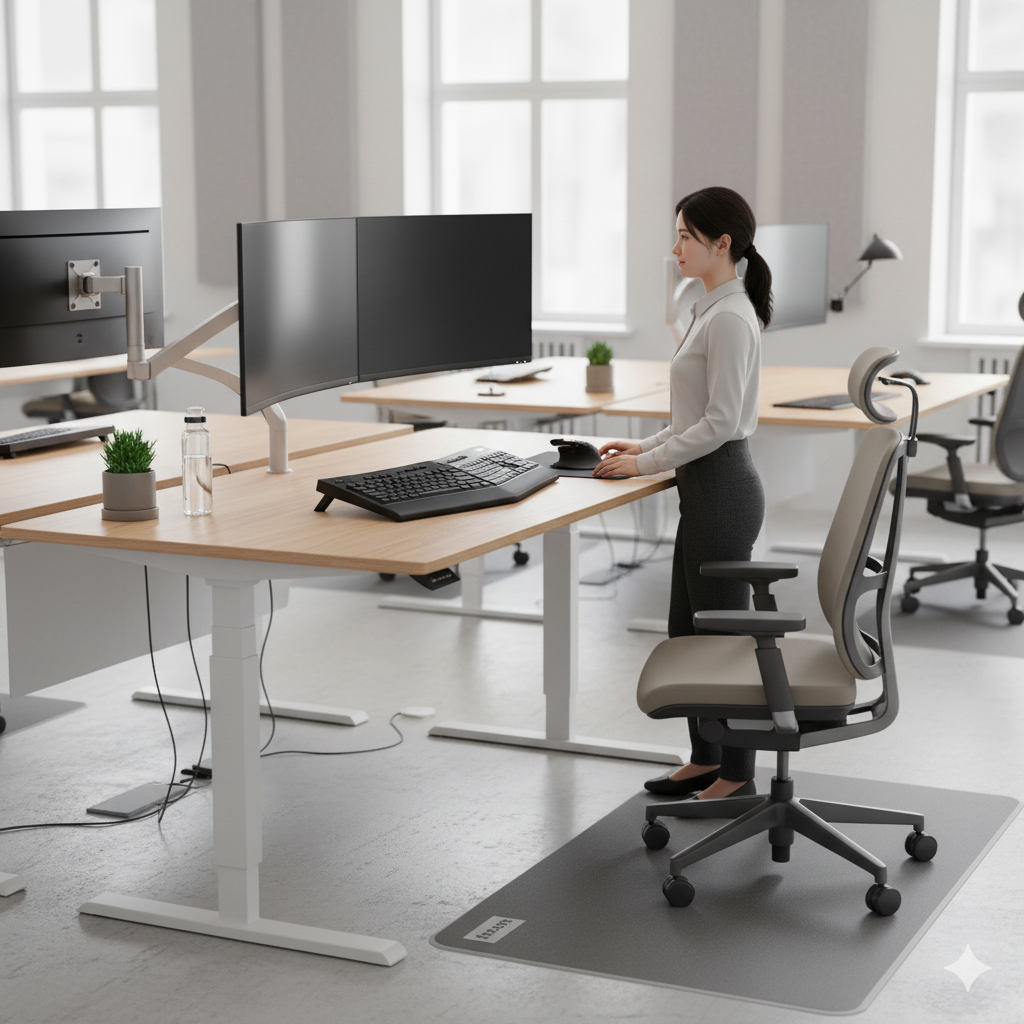
Why Manual Handling Training is Important
Training is not just about instructing employees on how to use equipment. It plays a critical role in changing attitudes and behaviors, ultimately preventing injuries and promoting a culture of safety. Manual handling training:
1. Raises Awareness
Training makes workers aware of the risks involved in manual handling. By understanding the potential hazards, employees are more likely to take steps to avoid injuries.
2. Teaches Correct Techniques
Training teaches workers how to lift, carry, and move loads safely. Proper lifting techniques, such as bending the knees and keeping the load close to the body, are essential for reducing strain on the back and preventing injuries.
3. Encourages Ergonomics
Effective manual handling training emphasizes the importance of proper posture, balance, and safe body mechanics. It encourages employees to use their legs, not their backs, when lifting and to adopt the best possible posture for every task.
4. Reduces Costs
Investing in manual handling training leads to fewer injuries, which translates into lower compensation claims, fewer days lost due to injuries, and less medical treatment. The cost of training is far outweighed by the savings from reduced accidents.
5. Improves Workplace Safety Culture
When employees receive regular safety training, they take more ownership of their own safety and the safety of their colleagues. This fosters a culture of safety, where safety is a shared responsibility and workers actively look out for each other.
What Manual Handling Training Should Cover?
1. The Risks of Manual Handling
Workers need to understand the short- and long-term risks of manual handling, such as acute injuries (sprains, strains) and chronic conditions (back pain, musculoskeletal disorders). Educating workers about these risks helps them make safer decisions in the workplace.
2. Safe Lifting Techniques
Employees should be taught to:
Bend the knees, not the back, when lifting.
Keep the load close to the body to reduce strain.
Avoid twisting the body; instead, move the feet and pivot when turning.
Use both hands to lift whenever possible to distribute the weight evenly.
3. Use of Equipment
Training should include the correct use of mechanical aids like trolleys, hoists, and conveyors. Workers should understand how to use this equipment safely and know when to rely on mechanical aids rather than manual lifting.
4. Risk Assessment Awareness
Before beginning a task, workers should know how to identify hazards and assess whether lifting or carrying is safe. Risk assessments should include considerations like:
Weight of the load
Distance to be covered
Work environment conditions (flooring, space constraints)
5. Team Lifting
Workers should be taught to ask for help when lifting heavy or awkward loads. Team lifting ensures that the load is shared, reducing strain on individual workers and improving overall safety.
Benefits of Manual Handling Training
✅ Reduced Injuries
Training teaches employees to use safe lifting techniques, which leads to fewer injuries. This reduces the number of workers who experience back pain, strains, or more serious injuries related to poor manual handling practices.
✅ Better Productivity
When workers are properly trained, they spend less time recovering from injuries and can perform tasks more efficiently. Safe handling leads to smoother, quicker, and more productive workflows.
✅ Higher Morale
Employees feel more valued and supported when their employers provide regular safety training. This leads to higher job satisfaction and can improve overall employee retention rates.
✅ Legal Compliance
Training helps organizations meet occupational health and safety regulations, reducing the risk of legal action and fines from regulatory bodies.
How Employers Can Implement Training Effectively
1. Schedule Regular Workshops
Employers should schedule regular manual handling training sessions for new hires as well as refresher courses for existing employees, especially in high-risk roles.
2. Use Practical Demonstrations
While theory-based learning is essential, hands-on demonstrations and practical training are crucial to ensure that employees understand how to apply safety techniques in real-life situations.
3. Provide Refresher Training for High-Risk Roles
For workers in high-risk industries (e.g., construction, healthcare, warehousing), regular refresher training is essential to ensure they remain aware of proper techniques and the latest safety protocols.
4. Combine Training with Ergonomic Workplace Design
Training should be paired with ergonomic adjustments in the workplace, such as adjustable desks, trolleys, and equipment designed to reduce the risk of injury. Ergonomically-designed workstations further enhance the benefits of training by reducing strain on workers’ bodies.
