Category Blog

Your blog category

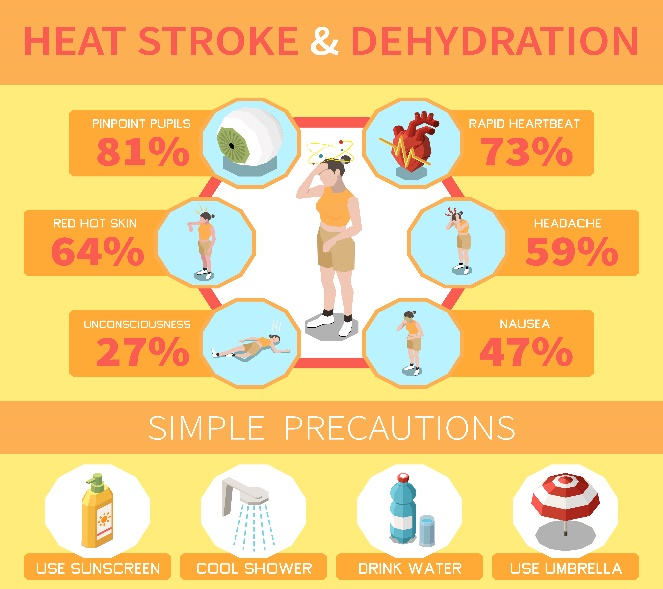
Understanding Heat Stress in the Workplace: A Hidden Danger

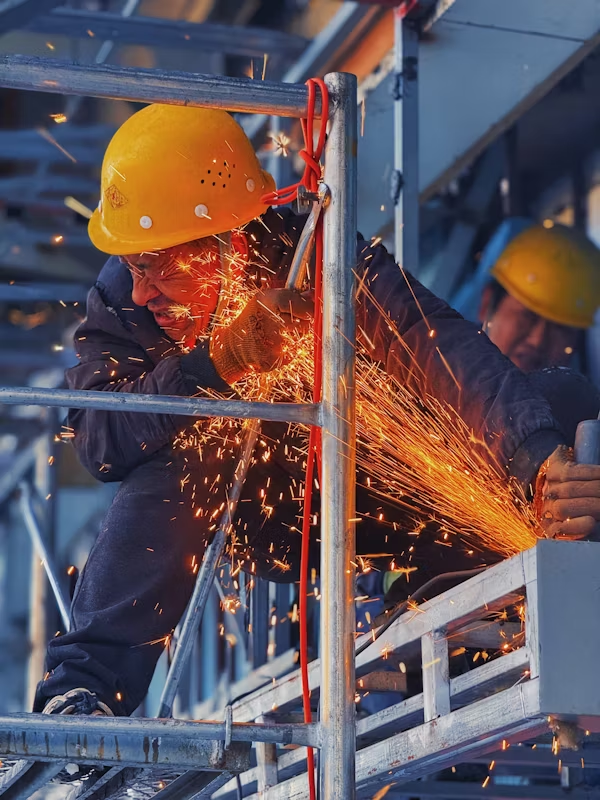
When temperatures soar, so do the risks for workers especially those who work outdoors or in high-temperature environments like kitchens, factories, or construction sites. Heat stress is more than just discomfort. It can quickly turn into a medical emergency if not managed correctly.

Manual Handling in Small Businesses – Challenges and Solutions

When we think of manual handling risks, we often picture large warehouses, factories, or hospitals. But small businesses face just as many, if not more, challenges when it comes to safe manual handling. With limited budgets, smaller teams, and less access to specialized equipment, small businesses often struggle to manage workplace safety effectively.

Cost Savings Through Manual Handling Safety – Why Prevention Pays Off

When businesses think about manual handling safety, the first thought is often employee health. While that’s the most important aspect, many employers overlook another major benefit: financial savings. Investing in safe manual handling practices not only protects workers but also saves companies thousands (and sometimes millions) in hidden costs.

Real-Life Case Studies of Manual Handling Injuries and Lessons Learned

Manual handling injuries are among the most common workplace incidents worldwide. From back strains to long-term musculoskeletal disorders (MSDs), poor lifting techniques and unsafe practices can have life-changing consequences for workers. While safety guidelines and training exist, accidents still happen when manual handling risks are underestimated.

The Role of Technology in Improving Manual Handling Safety

Even with the best training, human error, fatigue, and physical limits can lead to injuries. That’s where technology steps in. By integrating safety devices, mechanical aids, and even artificial intelligence (AI), employers can reduce risks, cut costs, and enhance productivity.

Industry-Specific Manual Handling Risks and Solutions

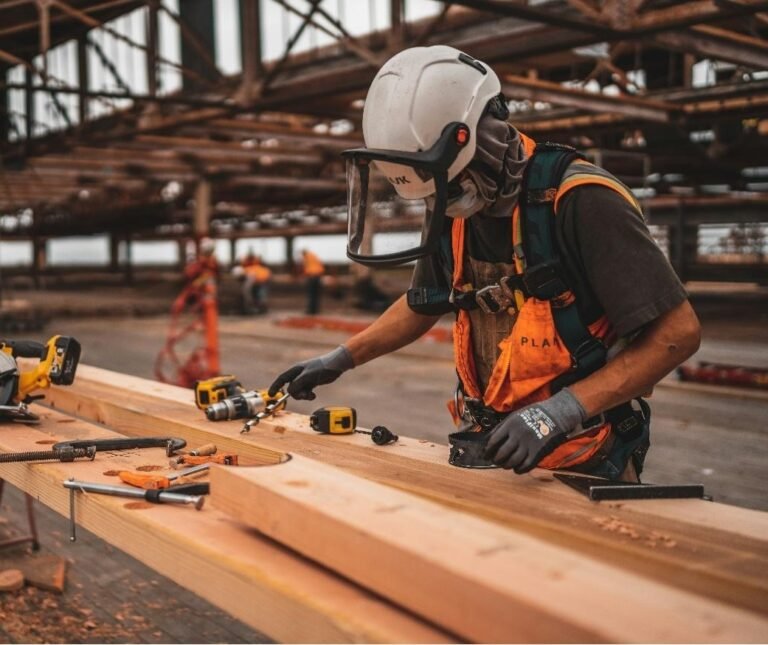
Manual handling risks vary greatly depending on the industry. A construction worker faces different hazards than a nurse or warehouse employee. To ensure effective workplace safety, employers must address industry-specific manual handling risks and implement tailored solutions.

Ergonomics and Manual Handling Designing a Safer Workplace

Manual handling isn’t just about technique it’s also about the workplace environment. Ergonomics plays a vital role in reducing injuries by designing tasks, equipment, and workstations that fit the worker, not the other way around. Poor ergonomics often leads to repetitive strain injuries, back problems, and fatigue.

Manual Handling Training – The Key to Injury Prevention

No matter the industry, manual handling training is one of the most effective ways to prevent workplace injuries. While many organizations provide equipment and guidelines, without proper training, workers often continue to use unsafe practices. This not only increases the risk of accidents but also leads to long-term health issues such as back pain and repetitive strain injuries.