
Building a Heat Stress Prevention Program: Protecting Workers from Extreme Heat
As global temperatures rise, heat stress is becoming a major occupational hazard. Whether your team works outdoors or in hot indoor environments, developing a formal Heat Stress Prevention Program is now a necessity not a luxury.

Heat Stress Prevention Programs: Protecting Workers in Hot Environments
As global temperatures continue to rise, heat stress is becoming a major occupational hazard. Employees working outdoors or in hot indoor environments face increased risks of heat exhaustion, heat stroke, dehydration, and fatigue. Developing a formal Heat Stress Prevention Program is no longer optional—it’s a critical part of workplace safety.
A robust program helps organizations protect workers, maintain productivity, reduce insurance claims, and foster a safety-first culture. Employers have both a legal and moral obligation to ensure employees are safe, and heat stress prevention is a key component of meeting this responsibility.

Why Have a Heat Stress Program?
Every year, thousands of workers suffer from heat-related illnesses, especially in high-risk industries such as:
Construction – workers exposed to sun, metal, concrete, and asphalt.
Manufacturing – indoor high-heat environments, machinery, and heavy PPE.
Agriculture – fieldwork in extreme temperatures.
Logistics and Warehousing – hot storage areas and high physical exertion.
A structured heat stress prevention program reduces incidents, protects employees, and promotes a proactive safety culture, ultimately saving lives and minimizing organizational risk.
Key Elements of a Heat Stress Prevention Program
1. Risk Assessment
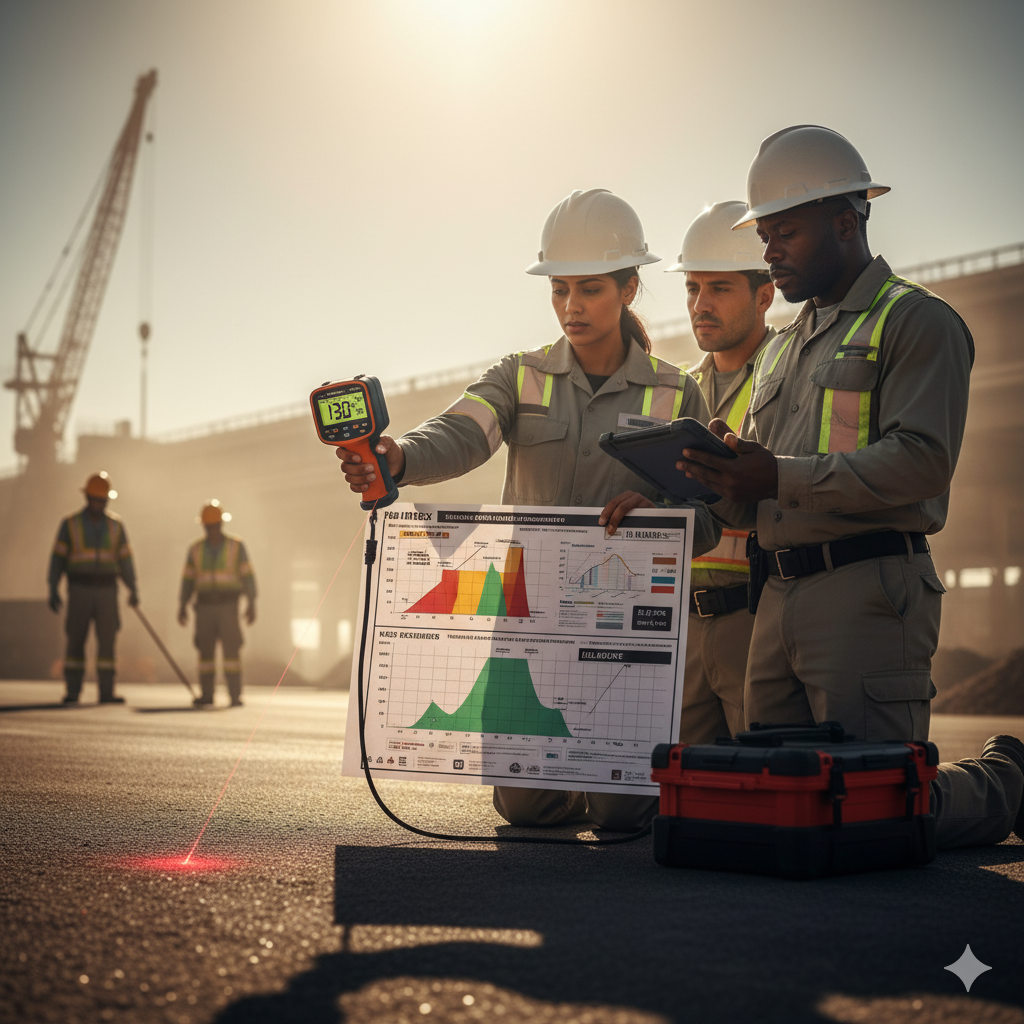
Identify jobs and work areas with high heat exposure. Measure key environmental factors such as:
Temperature
Humidity
Radiant heat
Workload intensity
Use this data to identify high-risk zones and times when heat exposure is greatest.
2. Acclimatization Plans
Gradually introduce new or returning workers to hot environments over 7–14 days. Sudden exposure increases the risk of heat-related illness. Acclimatization allows the body to adapt and reduces the likelihood of fatigue, dehydration, or heat stroke.
Tip: Begin with light tasks and shorter exposure periods, increasing intensity gradually.
3. Hydration Strategy
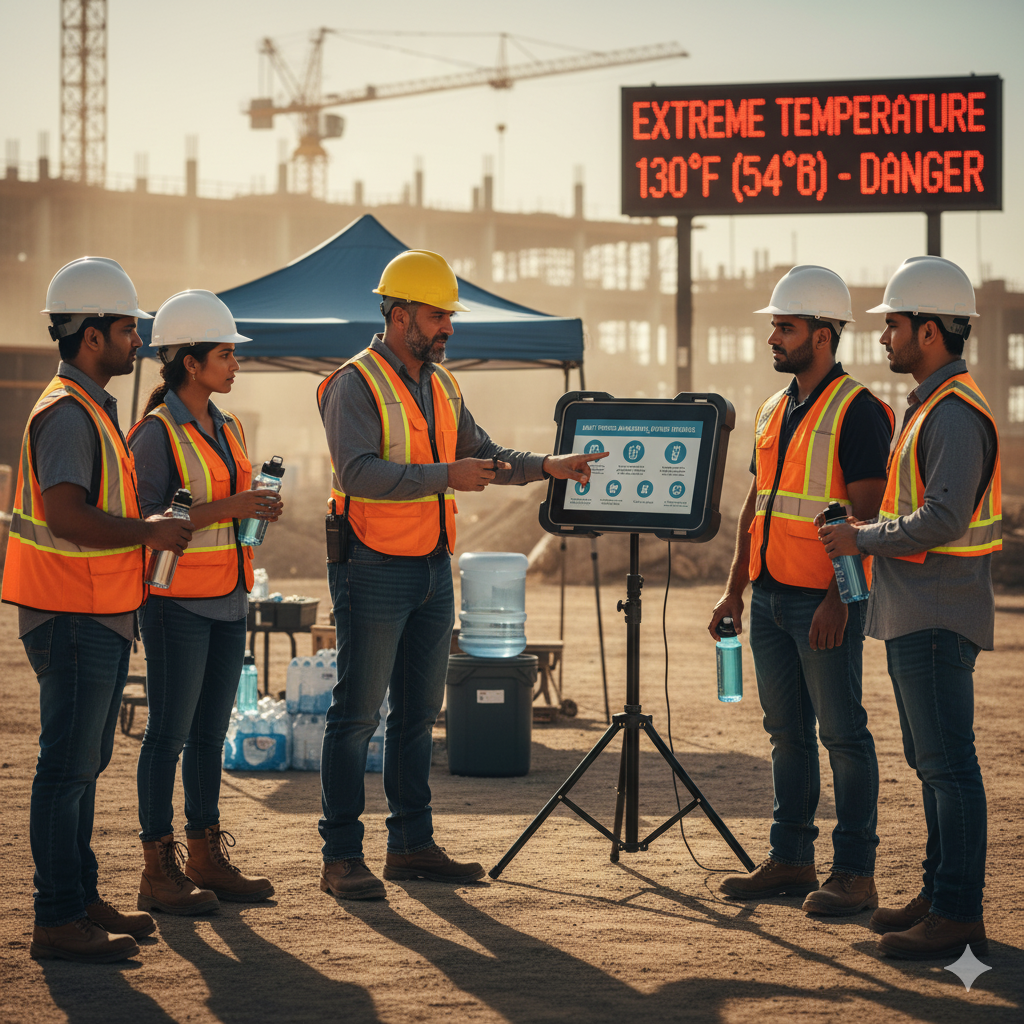
Ensure clean drinking water is readily available near work zones. Workers should drink 1 cup every 15–20 minutes. Avoid caffeine and energy drinks, as they can contribute to dehydration.
Tip: Encourage regular hydration before workers feel thirsty; thirst is a late warning sign.
4. Training & Awareness
Conduct training sessions on:
Signs of heat-related illness
First aid response
When to stop work
Reporting procedures
Training should be repeated regularly and integrated into orientation for all new employees.
5. Work-Rest Scheduling
Plan work intensity according to heat index levels. Incorporate shaded or cooled rest areas to allow recovery. Regular breaks and job rotation are essential to prevent overheating.
Tip: Implement a “buddy system” to monitor each other for early signs of heat stress.
6. Emergency Procedures
Prepare teams for rapid response if someone shows heat-related symptoms:
Move the affected person to a cool, shaded, or air-conditioned area
Begin rapid cooling using wet cloths, ice packs, or fans
Call emergency services immediately if severe symptoms appear
Tip: Post emergency contact information and procedures in visible areas on-site.
Useful Tools and PPE
Cooling towels or vests to lower body temperature
Light, breathable uniforms to prevent heat retention
Portable misting fans or air movers for shaded or rest areas
Digital thermometers and heat index charts to monitor environmental conditions
Leadership Commitment is Key
Supervisors and HSE officers must lead by example. Key responsibilities include:
Encouraging open communication about heat-related issues
Supporting scheduled rest breaks
Monitoring workers for early signs of fatigue or heat illness
Never ignoring complaints or symptoms of overheating
Leadership commitment ensures that safety is taken seriously across all levels of the organization and strengthens the overall safety culture.
