The Hidden Dangers of Poor Manual Handling in the Workplace
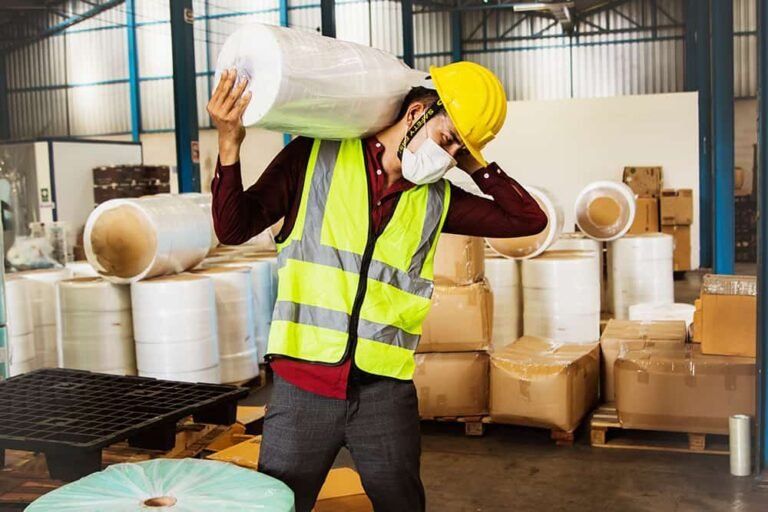
Every year, thousands of employees across industries suffer from injuries that stem from poor manual handling practices. While these tasks may seem routine—like lifting boxes, carrying equipment, or pushing trolleys the reality is that they carry serious risks. Many organizations underestimate the hidden dangers of poor manual handling, and as a result, they face increased costs, employee injuries, and productivity losses
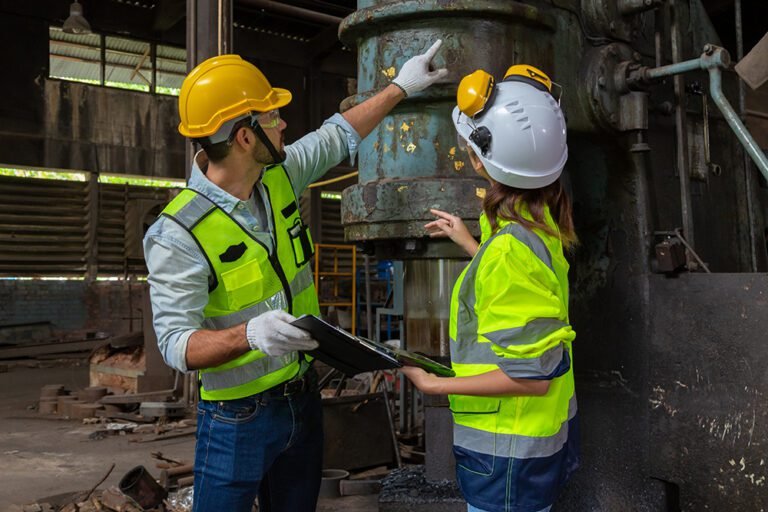

The Role of HSE Training in Preventing Workplace Injuries.

Workplace injuries prevention is more than a legal requirement it’s a moral responsibility. Every year, thousands of employees suffer from occupational hazards that could have been avoided with proper HSE training. These incidents affect lives, reduce productivity, and cost companies millions in compensation.

The Importance of PPE in Workplace Safety

Workplace accidents can happen in a split second, but their consequences can last a lifetime. One of the most effective ways to prevent serious injuries is by using Personal Protective Equipment (PPE). From helmets and gloves to respirators and safety boots, PPE acts as the last line of defense against hazards when engineering and administrative controls are not enough.

Manual Handling Safety – A Complete Guide to Protecting Workers

Manual handling is a common part of daily work in almost every industry, from construction and warehousing to healthcare and offices. It refers to activities such as lifting, carrying, pushing, or pulling objects by hand. While it may sound simple, poor manual handling practices are one of the leading causes of workplace injuries worldwide. According to occupational health and safety reports, manual handling injuries account for nearly 30% of all workplace accidents, making it a critical issue for organizations to address.

4 Learning Management System Design Tips For Better eLearning

We’re obsessed with data these days, and for good reason: it’s relatively easy to get if you know what you’re looking for. While you won’t be able to identify everything that’s useful upfront, take a step back, and evaluate what you’d hope to learn. Come up with a list of the information you need and a list of things you’d like to have. For example, do you need to know the average test score for students in History? What about attendance rates during the month of December?

The Importance Of Intrinsic Motivation for Students

Senior students often invoke the mantra “I have to do well at school in order to get into university” when asked about reasons for attending and doing well. This can be a genuine motivational factor, especially in families where the expectation is academic and career success. But is this the answer we really want when we pose that question? Doing well simply to get to the next level is fine when playing video games, but it hardly seems inspirational as an educational goal for a secondary school student.

A Better Alternative To Grading Student Writing

Great writing starts at the beginning, whether with an idea or need or purpose of social context or spark of inspiration. Whatever it is that ’causes’ the writing to begin–what’s wrought there at the beginning is kind of like a lump of clay. Without that clay, not much could happen and the quality of that clay matters; its texture and purity and consistency and overall makeup has a lot to say about what it’s able to produce. In large part, what you’re able to create with that clay depends on the quality and quantity of that clay.

It’s Time To Think Differently About Writing In The Classroom

Limiting the craft of writing to a single content area has altered the landscape of students’ minds in ways that are only now being revealed as math teachers are told to teach writing. Students are now used to flinging rudimentary understandings on exit slips in broken sentence fragments, taking notes that neatly curate other people’s ideas, and otherwise ducking the responsibility to craft compelling arguments that synthesize multiple perspectives on a daily basis.

Back To School Social-Emotional Basics: Relationship, Rhythm, Release

As our elementary students head back to school in person, in this very new way, there will be many emotions stirred up in them. Alarm. Frustration. Worry. Excitement. And this will be mirrored by what we, as adults, may also be experiencing. For our teachers, on top of what they will be emotionally experiencing themselves, they are being called to be the caring leaders that guide our students to a place where they can learn together.

The Challenge Of Global Learning In Public Education

In high-stakes testing environments prevalent in many formal learning institutions, the focus is on standards and standard-mastery. ‘Globalization’ is a haughty kind of ‘pie in the sky’ idea thought about only when watching one of the “Shift Happens” videos on YouTube, or daydreaming on the drive home from a challenging day in the classroom where there is time to honestly reflect on—in solitude—the kind of education teachers can only dream they could provide students.