User

User

The Hidden Dangers of Poor Manual Handling in the Workplace
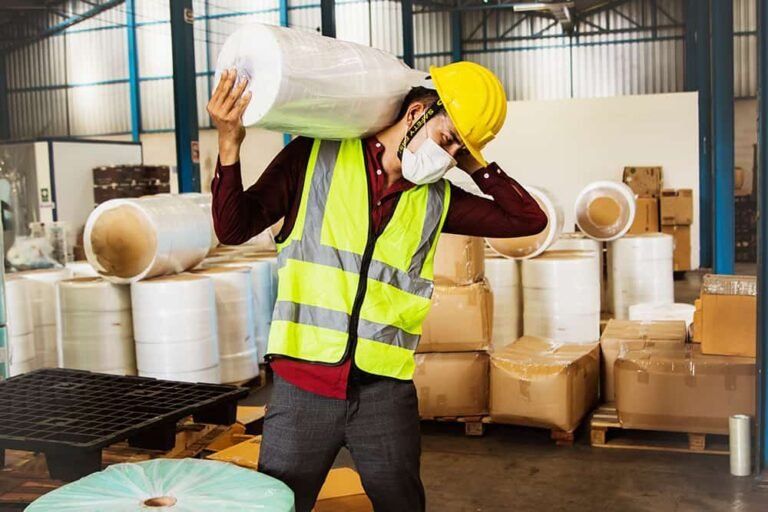
Every year, thousands of employees across industries suffer from injuries that stem from poor manual handling practices. While these tasks may seem routine—like lifting boxes, carrying equipment, or pushing trolleys the reality is that they carry serious risks. Many organizations underestimate the hidden dangers of poor manual handling, and as a result, they face increased costs, employee injuries, and productivity losses

The Role of HSE Training in Preventing Workplace Injuries.

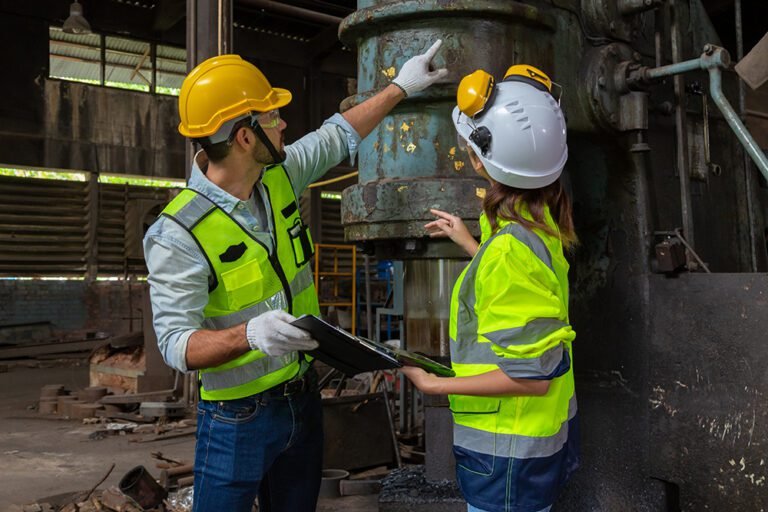
Workplace injuries prevention is more than a legal requirement it’s a moral responsibility. Every year, thousands of employees suffer from occupational hazards that could have been avoided with proper HSE training. These incidents affect lives, reduce productivity, and cost companies millions in compensation.

The Importance of PPE in Workplace Safety

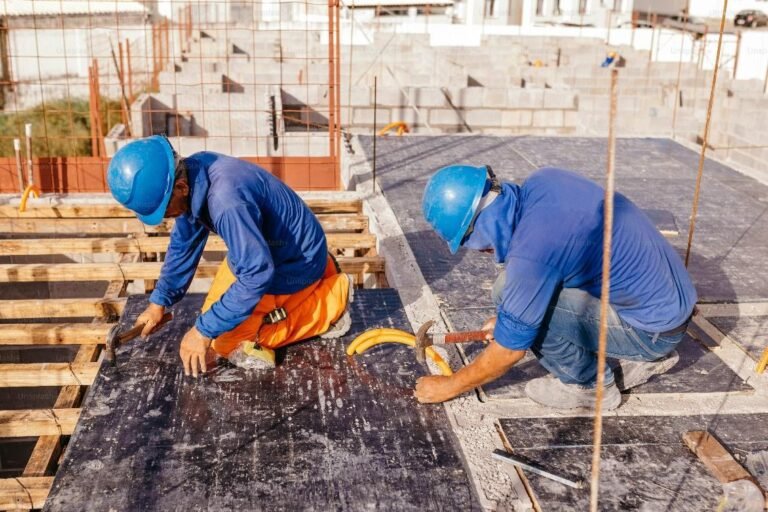
Workplace accidents can happen in a split second, but their consequences can last a lifetime. One of the most effective ways to prevent serious injuries is by using Personal Protective Equipment (PPE). From helmets and gloves to respirators and safety boots, PPE acts as the last line of defense against hazards when engineering and administrative controls are not enough.

Manual Handling Safety – A Complete Guide to Protecting Workers

Manual handling is a common part of daily work in almost every industry, from construction and warehousing to healthcare and offices. It refers to activities such as lifting, carrying, pushing, or pulling objects by hand. While it may sound simple, poor manual handling practices are one of the leading causes of workplace injuries worldwide. According to occupational health and safety reports, manual handling injuries account for nearly 30% of all workplace accidents, making it a critical issue for organizations to address.