
Building a Strong Safety Culture at Work – A Step-by-Step Guide
A well-documented safety policy means nothing without a solid safety culture behind it. A culture where employees actively look out for their own safety and that of their coworkers can significantly reduce incidents, improve morale, and boost productivity.

Building a Strong Safety Culture: Why It Matters
A well-documented safety policy is important, but it is insufficient without a strong safety culture to support it. Safety culture is the shared mindset, behaviors, and values within an organization that influence how employees approach risk, safety protocols, and emergency preparedness.
A robust safety culture fosters active participation from employees, where everyone not only looks out for their own safety but also for the safety of coworkers. This proactive approach can significantly reduce workplace incidents, enhance morale, and increase overall productivity. Organizations with strong safety cultures often see lower accident rates, improved compliance, and greater employee engagement.
What Is a Safety Culture?
Safety culture is not just about following procedures—it is about embedding safety into the DNA of the company. It shapes decision-making, operational behavior, and how employees interact with each other regarding workplace hazards. A mature safety culture emphasizes shared responsibility, transparency, and continuous improvement, making safety a core organizational value rather than a mere compliance requirement.
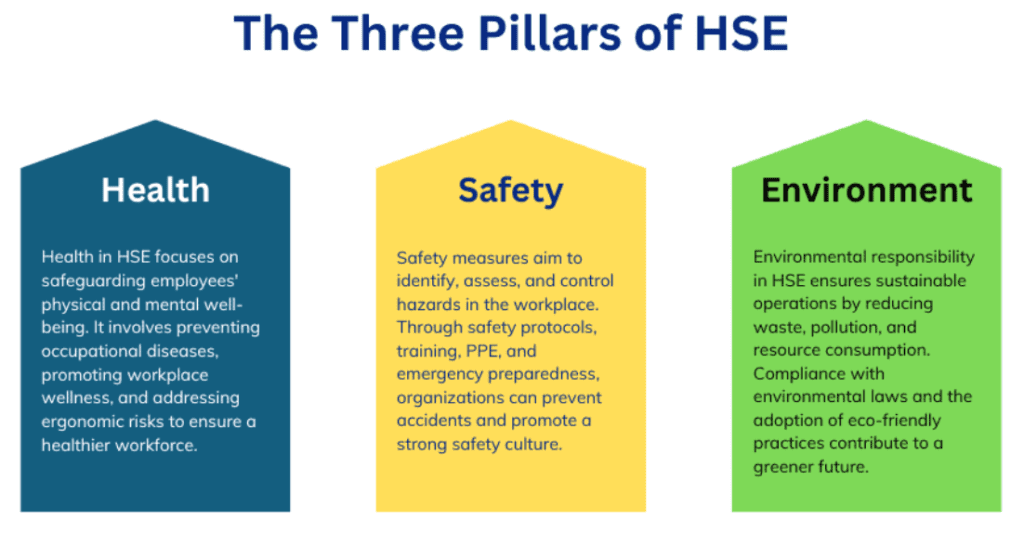
Pillars of a Strong Safety Culture
1. Leadership Commitment
Safety begins at the top. Leaders who visibly prioritize safety in budget allocations, operational decisions, and daily interactions set the tone for the entire organization. Employees are more likely to adopt safe behaviors when they see management taking safety seriously.
Examples: Supervisors conducting site inspections, actively discussing safety concerns in meetings, and allocating resources for training programs.
2. Behavior-Based Safety (BBS)
Behavior-Based Safety focuses on reinforcing safe practices rather than merely punishing unsafe behavior. By observing workplace behaviors and providing constructive feedback, organizations encourage employees to take personal responsibility for their actions and influence peers positively.
Examples: Workers reminding each other to wear PPE or follow lockout/tagout procedures.
3. Continuous HSE Training
Regular training sessions—including toolbox talks, scenario drills, and hands-on exercises—ensure employees maintain practical safety knowledge. Training should be ongoing and updated to reflect changing operations, equipment, and risk assessments.
Examples: Fire drills, chemical handling training, ergonomics workshops.
4. Open Communication & Reporting
A transparent reporting system for near-misses, unsafe conditions, or potential hazards is crucial. Employees must feel safe from reprisal when reporting issues. Open communication strengthens trust and allows for proactive risk management.
Examples: Digital platforms or suggestion boxes for reporting near-misses.
5. Recognition & Reward Programs
Acknowledging individuals or teams who demonstrate exemplary safety practices reinforces positive behavior and motivates others. Recognition can range from certificates and awards to public acknowledgment in meetings.
Examples: “Safety Champion of the Month” programs, team rewards for zero incident days.
Measuring Safety Culture Progress
To evaluate the maturity of a safety culture, organizations should track both leading and lagging indicators:
Leading Indicators
Number of safety observations submitted by employees
Training participation rates
Frequency of near-miss reports
Number of safety meetings or toolbox talks held
Lagging Indicators
Total Recordable Incident Rate (TRIR)
Days Away, Restricted or Transferred (DART)
Lost Time Injuries (LTI)
Tracking both types of metrics provides a comprehensive picture of safety culture effectiveness, highlighting areas of improvement and demonstrating the return on investment in safety initiatives.
