
Why Every Workplace Needs an Effective HSE Management System
In today’s fast-paced work environments, the need for a reliable and proactive HSE (Health, Safety & Environment) Management System has never been more critical. Whether you’re running a construction site, a manufacturing unit, or an office space, a structured HSE approach not only helps protect your employees but also strengthens your organization’s reputation and compliance profile.

The Importance of an Effective HSE Management System
In today’s fast-paced and high-risk work environments, whether in construction, manufacturing, or even office spaces, the importance of a reliable and proactive HSE (Health, Safety & Environment) Management System cannot be overstated. A well-structured HSE system not only protects employees and mitigates risks but also strengthens an organization’s reputation, boosts compliance, and enhances overall business performance.
A strong HSE management system supports your efforts in meeting legal obligations, improving workplace safety, reducing environmental impacts, and aligning with international standards. When implemented correctly, it promotes a safer and more efficient workplace, making it a cornerstone of sustainable business practice.
What Is an HSE Management System?
An HSE Management System (HSEMS) is a structured approach consisting of policies, processes, procedures, and tools that organizations use to manage workplace health and safety, control environmental risks, and ensure legal and regulatory compliance. By aligning with globally recognized standards such as ISO 45001 (Occupational Health and Safety) and ISO 14001 (Environmental Management), companies ensure they meet both local and international safety and environmental standards.
An effective HSE system goes beyond compliance—it helps embed safety culture throughout the organization, making it an integral part of daily operations, decision-making, and long-term business strategy.

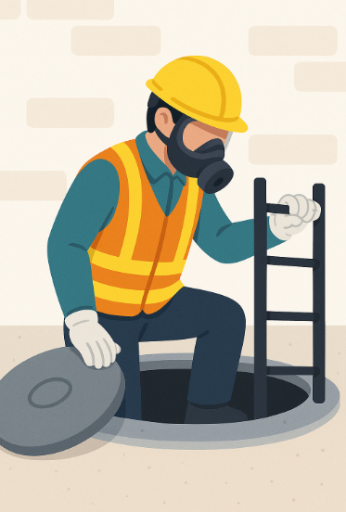

Key Benefits of Implementing an HSE Management System
1. Legal and Regulatory Compliance
One of the primary reasons for implementing an HSE Management System is to stay compliant with labor and environmental regulations. Compliance ensures that your company avoids costly fines, legal action, and damage to its reputation. A comprehensive system ensures adherence to local, national, and international safety laws, as well as standards such as ISO 45001, ISO 14001, and OHSAS 18001.
Example: Regular internal audits and third-party inspections can help identify gaps in your compliance and provide opportunities for improvement.
2. Fewer Accidents and Injuries
A key benefit of an HSE system is the significant reduction in workplace accidents and injuries. Through systematic risk assessments, hazard identification, and corrective actions, HSE systems proactively address potential safety issues before they result in accidents.
Example: A well-maintained safety system helps to identify hazards such as faulty equipment or unsafe practices, leading to prompt corrective action and the prevention of injuries.
3. Better Employee Morale and Retention
Employees who feel safe at work are more productive, loyal, and engaged. When a company prioritizes health, safety, and well-being, employees notice that the company cares about them. This leads to increased job satisfaction and lower turnover rates, creating a more stable workforce.
Example: Workers are more likely to stay with a company that values their health and safety, reducing recruitment costs and maintaining a skilled workforce.
4. Improved Efficiency and Productivity
By minimizing downtime caused by accidents, equipment failure, or investigations, a robust HSE management system helps to keep operations running smoothly. With clear safety protocols, employees are more efficient because they can focus on tasks without being distracted by safety concerns or accidents.
Example: Fewer disruptions mean less time spent on recovery and more time dedicated to meeting production targets and client deadlines.
5. Enhanced Reputation and Client Trust
In an age where sustainability is increasingly important, clients and investors trust companies that demonstrate a commitment to health, safety, and environmental sustainability. A strong HSE system not only builds internal trust among employees but also enhances your reputation with customers, investors, and stakeholders.
Example: A company with a proven track record of workplace safety and environmental stewardship attracts more clients and investors, creating new business opportunities and fostering long-term relationships.
How to Get Started with an HSE Management System
1. Conduct a Safety Audit and Identify Gaps
The first step in implementing an HSE system is to perform a comprehensive safety audit of your workplace. Identify existing risks, compliance gaps, and areas for improvement. This audit forms the foundation for all subsequent steps in building your HSE system.
2. Set Clear Objectives and Responsibilities
Develop a clear HSE policy that outlines roles, responsibilities, and specific objectives. Ensure every employee knows their duties when it comes to health, safety, and environmental protection.
3. Provide Employee Training and Awareness Sessions
Training is key to the success of any HSE management system. Conduct regular training sessions, toolbox talks, and awareness programs to ensure employees are aware of safety protocols, emergency procedures, and environmental protection measures.
4. Monitor Performance Using Safety KPIs
Track both leading and lagging indicators to measure the effectiveness of your HSE system. Leading indicators, such as safety observations and training completion rates, provide real-time insights, while lagging indicators, such as the Total Recordable Incident Rate (TRIR), help evaluate long-term performance.
5. Regularly Review and Improve the System
An HSE management system is a dynamic process that requires regular reviews and continuous improvement. Use audits, inspections, employee feedback, and performance data to refine and enhance your system over time.
Conclusion: HSE is a Culture, Not Just a System
An HSE management system is not a one-time setup but a culture that must be nurtured daily. For organizations to truly embrace safety, environmental responsibility, and well-being, these values must be deeply embedded in their culture. Leadership must lead by example, employees must take ownership, and continuous improvement should be the goal. When HSE is ingrained in the organization’s DNA, it drives business success, protects workers, and preserves the environment.
