
Building a Safer and Healthier Workplace
When it comes to running a successful organization, health, safety, and environment (HSE) should never be an afterthought. Whether you're managing a construction site, factory floor, or office building, a strong HSE strategy helps protect your team, reduce costs, and keep your business running smoothly.

The Importance of a Strong HSE Strategy for Your Organization
When it comes to running a successful organization, Health, Safety, and Environment (HSE) should never be an afterthought. Whether you’re managing a construction site, factory floor, or office building, a robust HSE strategy helps protect your team, reduce costs, and maintain operational continuity. A proactive approach to HSE is essential for fostering a safe working environment and demonstrating corporate responsibility.
However, HSE is not just about compliance—it’s about creating a safety culture where everyone, from top management to workers on the ground, actively takes responsibility for their surroundings. This holistic approach contributes to reducing workplace incidents, improving morale, and ensuring the business meets regulatory expectations.
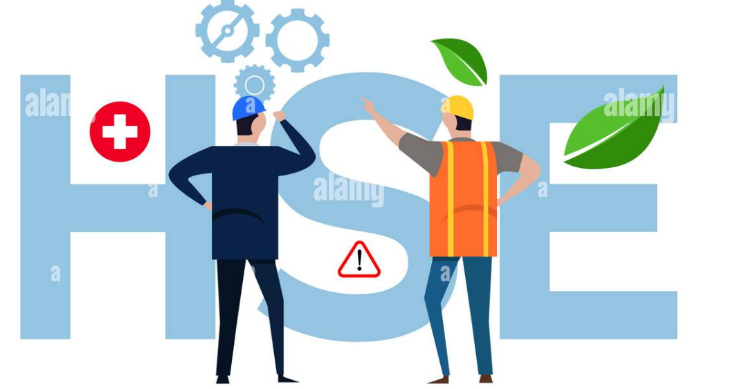

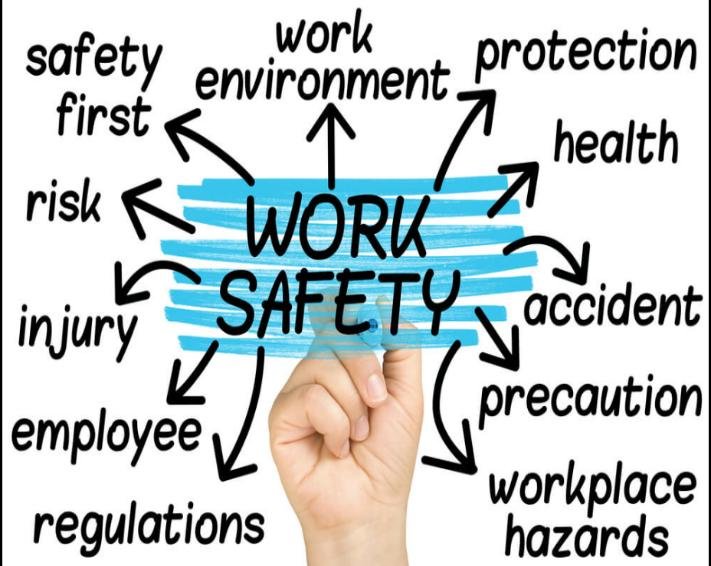
What Is HSE?
HSE stands for Health, Safety, and Environment. It encompasses a broad range of practices, policies, and procedures that help to reduce accidents, promote employee well-being, and minimize environmental impact.
Key elements of HSE include:
Risk Assessment and Hazard Identification: Identifying potential hazards before they lead to accidents.
Occupational Health and Mental Well-Being: Addressing both physical and psychological well-being at work.
Incident Reporting and Emergency Preparedness: Systems to report and handle incidents and emergencies effectively.
Environmental Protection: Waste management, pollution control, and sustainable practices to protect the environment.
Compliance with Standards: Aligning with recognized standards such as ISO 45001 (Occupational Health and Safety) and ISO 14001 (Environmental Management).
Why HSE Is Important for Your Business
Each year, countless employees face injuries, health problems, and mental stress due to hazardous work environments. These incidents not only result in human suffering but also cost businesses money, damage reputation, and increase insurance and legal expenses. However, most of these events are avoidable.
A strong HSE system helps businesses to:
Minimize Incidents and Idle Time: Fewer accidents lead to higher productivity and fewer disruptions.
Enhance Staff Enthusiasm and Involvement: Employees feel valued when their health and safety are prioritized.
Reduce Expenses for Insurance and Legal Matters: Fewer accidents result in lower premiums and less likelihood of legal costs.
Improve Reputation with Clients and Regulators: A proven track record in safety builds trust with clients, regulatory bodies, and investors.
Steps to Improve HSE in Your Workplace
1. Start with a Safety Audit
Conduct a thorough safety audit to identify hazards and areas for improvement. Walk through your facility with your team—employees on the ground often spot risks more quickly than management does.
Tip: Involve employees from all departments in the audit process to get diverse perspectives.
2. Develop a Clear HSE Policy
Create a clear and concise HSE policy that outlines safety goals, roles, and responsibilities. Ensure communication of the policy through meetings, posters, and training sessions so that everyone is on the same page.
Tip: Set measurable goals such as “Reduce workplace injuries by 20%” and communicate these targets regularly.
3. Train Your Team
Safety training is crucial. Provide regular training on how to use Personal Protective Equipment (PPE), respond to emergencies, and handle hazardous materials. Training not only builds confidence but also reduces human error.
Tip: Conduct hands-on training, and include emergency drills, and PPE demonstrations.
4. Track Your Progress
Measure the effectiveness of your HSE efforts by tracking key performance indicators (KPIs). These can include near-miss reports, incident rates, and the frequency of safety inspections. Tracking helps identify areas that are working and areas that need attention.
Tip: Use software to track and display data to give real-time insights into safety performance.
5. Celebrate Wins
Recognize and celebrate achievements, such as zero incidents for a quarter. Celebrating safety wins boosts morale and reinforces positive safety habits across the organization.
Tip: Create a “Safety Champion” program to reward those who excel in safety practices.
HSE Is About People, Not Just Paperwork
At the heart of every successful HSE plan is people. It’s about ensuring not only physical safety but also addressing mental health, stress management, and overall work-life balance. A healthy, happy workforce is more engaged, productive, and less likely to get injured.
Mental Health in the Workplace: Incorporate support for mental well-being by offering stress-relief programs, work-life balance initiatives, and mental health resources.
HSE isn’t just about ticking boxes; it’s about creating a culture where everyone feels responsible for their own safety and that of their colleagues. By nurturing this culture daily, businesses not only protect their employees but also create a positive work environment that leads to increased productivity and employee retention.
Don’t forget the “E” in HSE. Responsible waste management, energy-saving practices, and eco-friendly policies contribute to protecting the planet and demonstrating to stakeholders that your company is committed to sustainability.
