
Manual Handling in Small Businesses – Challenges and Solutions
When we think of manual handling risks, we often picture large warehouses, factories, or hospitals. But small businesses face just as many, if not more, challenges when it comes to safe manual handling. With limited budgets, smaller teams, and less access to specialized equipment, small businesses often struggle to manage workplace safety effectively.

Manual Handling Safety in Small Businesses: Challenges and Practical Solutions
When we think of manual handling risks, large warehouses, factories, or hospitals often come to mind. However, small businesses face just as many—if not more—challenges when it comes to ensuring safe manual handling. Limited budgets, smaller teams, and fewer specialized tools often leave small businesses vulnerable to workplace accidents.
This blog explores the unique challenges small businesses face in manual handling safety and provides practical solutions that are both cost-effective and easy to implement.

Challenges Small Businesses Face in Manual Handling
1. Limited Budget for Equipment
Unlike larger corporations, small businesses often lack the financial resources to invest in expensive lifting aids like forklifts, hoists, or conveyors. Without these tools, workers may be forced to handle heavy or awkward loads manually, increasing the risk of musculoskeletal injuries, sprains, or strains.
Solution: Simple and affordable equipment like trolleys, dollies, or adjustable shelving can significantly reduce the need for manual lifting and handling. These tools can be sourced inexpensively and make a substantial difference in safety.
2. Lack of Formal Training
In small businesses, safety training is often overlooked due to cost or time constraints. Without proper training, workers may not understand how to handle heavy objects safely, increasing the likelihood of accidents.
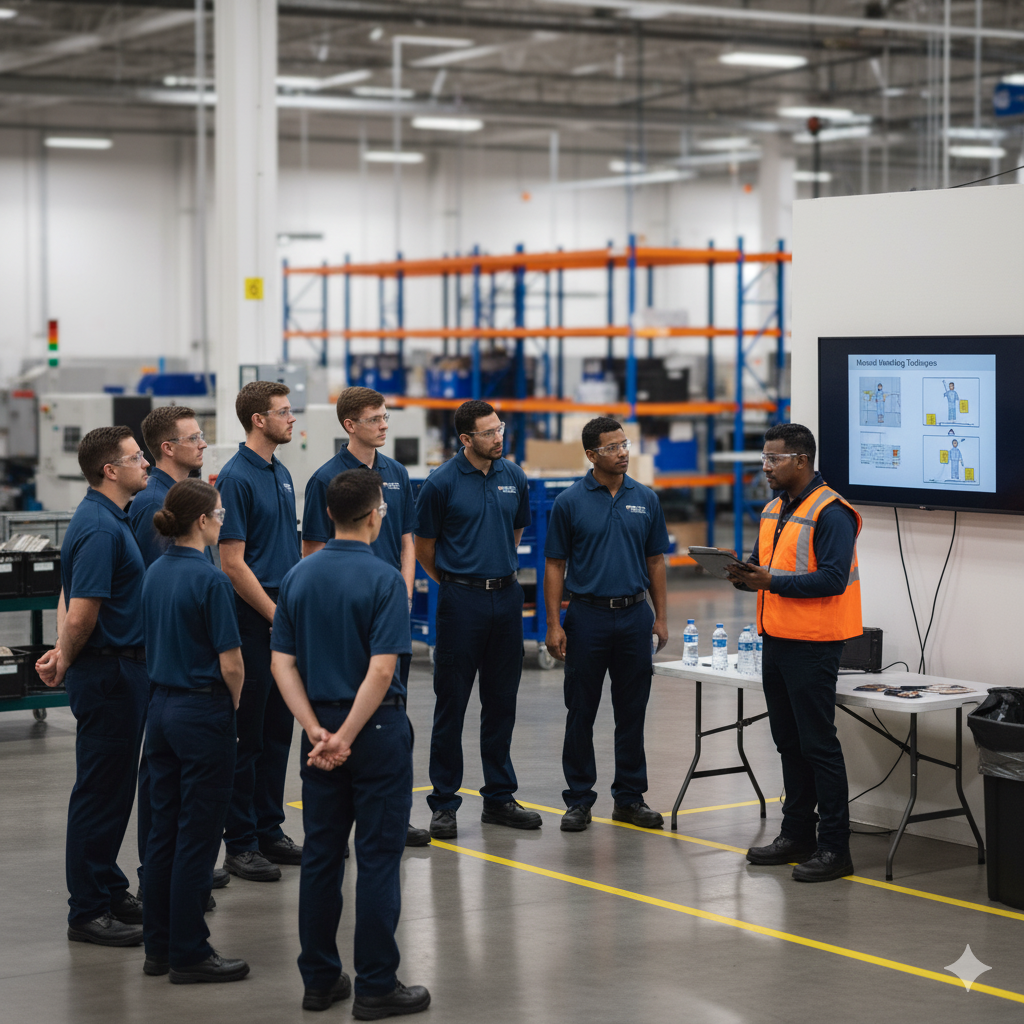
Solution: Free or low-cost online safety resources and group training sessions can be a great way to educate staff on safe manual handling techniques without breaking the bank. Even a short monthly session can keep workers informed.
3. Multi-Tasking Staff
In many small businesses, employees are required to take on multiple roles, which means they are often exposed to a wide range of risks. For example, one worker might be tasked with lifting, packing, and even transporting goods, which adds to the physical strain and increases the chances of manual handling injuries.
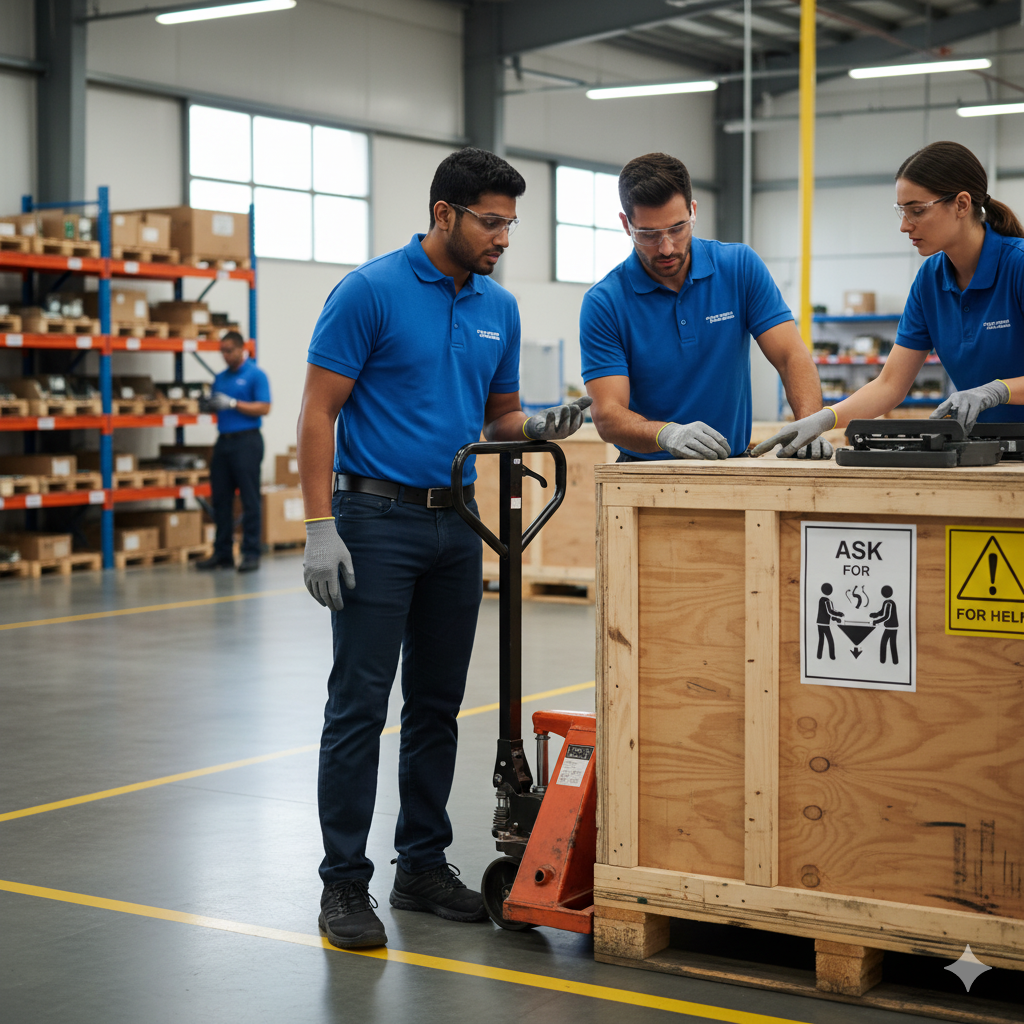
Solution: Encourage teamwork and task rotation. Workers should not feel afraid to ask for help when handling heavy or awkward items. Additionally, breaking down larger loads into smaller, manageable portions can reduce the physical strain.
4. Limited Space
Small offices, workshops, or shops often suffer from poorly organized workspaces. Limited space can make it difficult to store items properly or allow workers to move around freely, increasing the likelihood of awkward lifting or reaching.
Solution: Optimizing the workspace can make a huge difference. Simple changes like clear walkways, proper lighting, and storing items at waist height can reduce risks significantly and improve efficiency.
5. Low Awareness of Legal Requirements
Some small business owners are unaware of their legal obligations when it comes to manual handling safety. Without knowledge of the regulations, businesses may inadvertently expose themselves to legal risks or fail to meet safety standards.
Solution: Familiarizing yourself with local health and safety regulations and manual handling laws is crucial. Many governmental websites offer free resources, and regular safety audits can help ensure compliance.
Practical Solutions for Small Businesses
✅ Affordable Equipment Options
While large investments in equipment may not be feasible, even small purchases such as trolleys, dollies, or adjustable shelving can significantly reduce the risks associated with manual handling. These tools improve the ergonomics of the workplace and minimize physical strain.
Example: A small business could purchase a set of manual pallet jacks for heavy-duty lifting, which can be shared between departments or work areas.
✅ Low-Cost Training
Investing in employee training doesn’t have to be expensive. Take advantage of free online courses or host group training sessions where workers can learn safe manual handling techniques and ergonomic practices. This proactive approach can save your business from costly injuries in the long run.
Example: Organize toolbox talks that are brief but impactful, focusing on safe lifting techniques and injury prevention.
✅ Smart Task Planning
Employees should not be afraid to ask for help when needed. Encourage workers to break down heavy loads into smaller portions and never rush the process. Task planning and clear communication can ensure that workers know when to ask for assistance.
Example: A task rotation system can ensure that workers are not constantly performing physically demanding tasks, allowing them time to rest.
✅ Workspace Optimization
Maximizing the use of limited space can improve workflow and reduce physical strain. Small businesses can make simple adjustments like ensuring items are stored at waist height, using adjustable shelves, and keeping work areas free of clutter.
Example: Use overhead storage racks or sliding drawers to store tools and materials out of the way.
✅ Regular Safety Talks
Running short daily or weekly toolbox talks allows you to refresh safety knowledge without requiring extensive time or resources. These talks can be informal yet highly effective in reminding employees about safe manual handling practices.
Example: Discuss heat stress or back safety during each meeting to address specific risks and share best practices.
Why Small Businesses Can’t Ignore Manual Handling Safety
High Impact of Injuries
Even one serious injury can have a devastating impact on a small business, both financially and reputationally. Workers’ compensation claims, legal fees, and medical costs can be overwhelming.
Legal Compliance
Health and safety regulations apply to businesses of all sizes. Failure to comply with manual handling laws can result in fines, legal action, or even business shutdowns.
Employee Loyalty
Employees are more loyal and productive when they feel safe and cared for. By prioritizing manual handling safety, small businesses can enhance employee morale and reduce turnover.
Reputation
Businesses that prioritize safety have a better reputation with customers, clients, and partners. Demonstrating a commitment to worker health and safety can lead to long-term success and improved relationships with stakeholders.
Conclusion
Manual handling safety is a critical issue for small businesses. While resources may be limited, implementing cost-effective solutions, providing training, and ensuring safe work practices can protect employees and avoid costly accidents. By creating a safety-first culture, small businesses can minimize manual handling risks and ensure long-term success.
